March 10, 2026
Air duct cleaning plays a meaningful role in supporting indoor air quality, HVAC efficiency, and overall home comfort. Many homeowners are unsure how often air duct cleaning should be performed or what factors influence the right schedule. Understanding these considerations helps create a healthier living environment while protecting the long-term performance of heating and cooling systems. As awareness grows around indoor air conditions, interest in duct cleaning continues to rise across residential and commercial properties.
The increasing demand for professional services reflects this shift in homeowner priorities. In fact, according to Verified Market Research®, industry analysis shows the air duct cleaning service market is expected to reach$5.6 billion in 2031, underscoring how strongly property owners value cleaner air and system performance. Knowing when to schedule duct cleaning allows homeowners to align their maintenance plans with these evolving standards.
Understand the Importance of Air Duct Cleaning
Air duct cleaning directly supports healthier indoor environments by removing contaminants that naturally build up within HVAC systems. Dust, pollen, and other airborne particles settle inside ductwork and recirculate throughout the home during normal system operation. When left unaddressed, these contaminants can diminish comfort and air freshness. Routine duct cleaning helps reduce these accumulations and promotes cleaner airflow throughout living spaces.
Beyond air quality, duct cleaning also improves HVAC efficiency. When debris restricts airflow, heating and cooling systems must work harder to maintain consistent temperatures. This added strain affects performance and can shorten system lifespan over time. Clean ductwork allows air to move freely, helping HVAC components operate smoothly while supporting consistent comfort levels throughout the home.
Identify Signs That Signal a Need for Cleaning
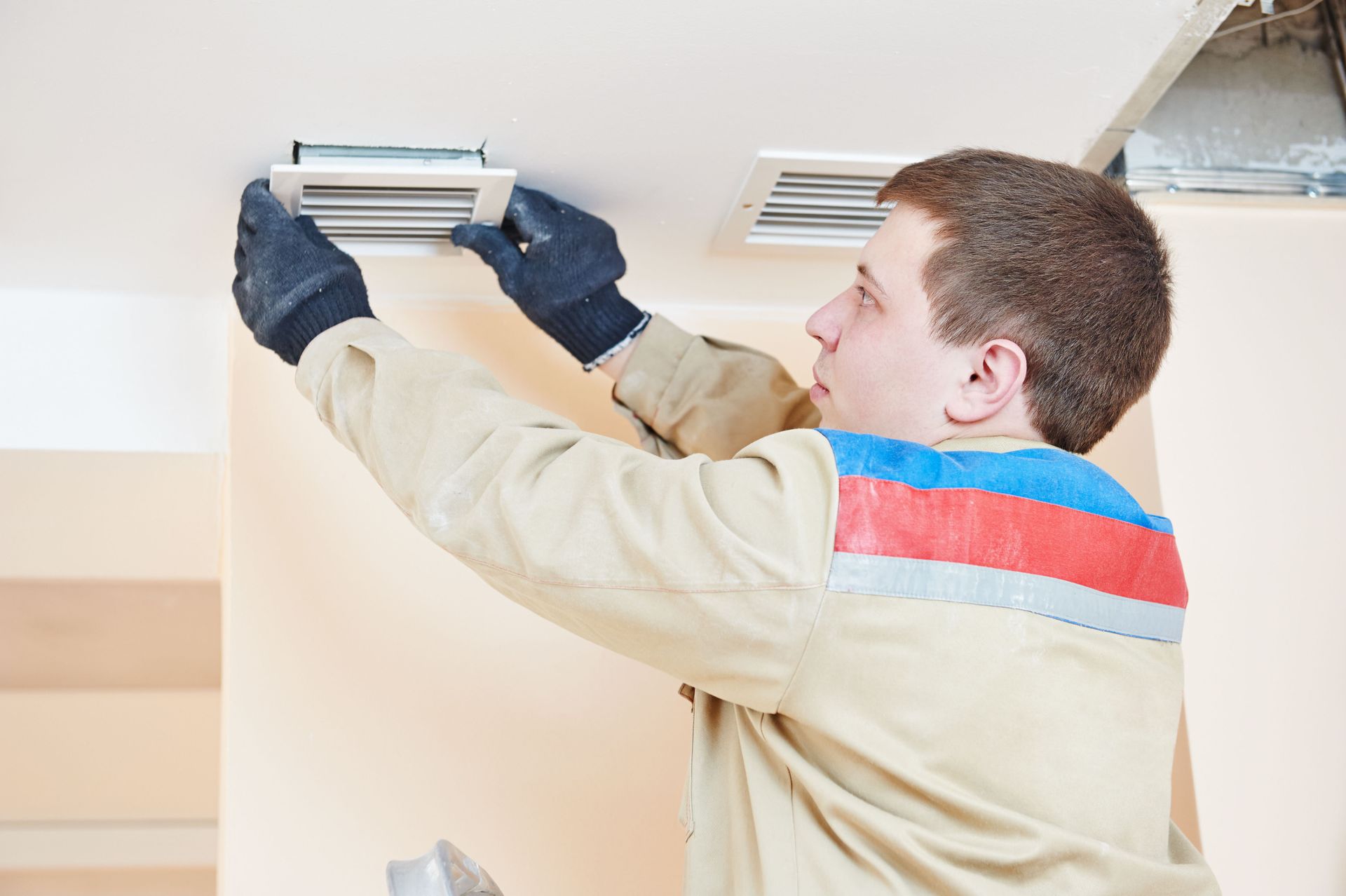
Certain warning signs often indicate when duct cleaning should be considered. One of the most noticeable indicators is excessive dust buildup around vents or registers, even after routine household cleaning. This suggests particles are being distributed through the duct system rather than captured by filters alone. Addressing this early prevents further spread of contaminants throughout the home.
Health-related changes can also serve as indicators. Persistent sneezing, coughing, or irritation without clear external causes may point to airborne particles circulating through ductwork. Additionally, musty or stale odors coming from vents can suggest moisture or debris accumulation inside ducts. Air duct cleaning helps eliminate odor sources and restores fresher indoor air circulation.
Evaluate Factors That Influence Cleaning Frequency
The ideal duct cleaning schedule varies from home to home based on lifestyle and environmental factors. Larger households often generate more dust and debris through daily activity, increasing the rate at which particles enter duct systems. Homes with frequent visitors may experience similar buildup due to higher indoor traffic levels.
Pets are another important consideration. Shedding fur and dander easily become airborne and are drawn into HVAC systems, increasing the need for duct cleaning. Homes with multiple pets or heavy shedders often benefit from more frequent service to keep air quality balanced. Evaluating these household-specific factors helps determine appropriate cleaning intervals.
Consider Environmental and System-Related Conditions
Local environmental conditions can significantly affect how quickly ducts accumulate debris. Homes in areas with heavy pollen, windblown dust, or nearby construction may experience faster buildup within duct systems. Urban settings can also introduce outdoor pollutants that enter homes through ventilation, making duct cleaning a valuable preventive step.
The age and condition of the HVAC system itself also play a role. Older systems may not filter particles as effectively, allowing more debris to settle inside ducts. Regular duct cleaning paired with routine HVAC maintenance helps older equipment continue operating efficiently while minimizing unexpected repairs or system strain.
Follow Recommended Cleaning Intervals
General guidelines suggest scheduling air duct cleaning periodically, but flexibility is key when determining the right timing for each home. Rather than relying on rigid timelines, homeowners should pay close attention to indoor air conditions, HVAC system performance, and daily lifestyle factors that influence debris buildup. Visible dust around vents, inconsistent airflow between rooms, or lingering odors coming from the system can all signal that cleaning may be needed sooner than expected. Changes in energy efficiency or comfort levels may also point to restricted airflow caused by debris inside the ductwork. Evaluating these signs together allows homeowners to make practical, condition-based decisions instead of following a one-size-fits-all schedule.
Households with allergy-sensitive occupants often choose more frequent duct cleaning to help limit airborne irritants that can aggravate symptoms. Similarly, homes with pets tend to accumulate hair and dander more quickly, while recent renovations can introduce fine construction dust that settles deep within the duct system. Even changes in occupancy or daily activity levels can influence how quickly contaminants build up over time. By adjusting duct cleaning schedules to reflect these household-specific factors, homeowners can maintain better air quality and system efficiency. This tailored approach supports consistent comfort without over-servicing or neglecting the system’s actual needs.
Understand What Professional Cleaning Involves
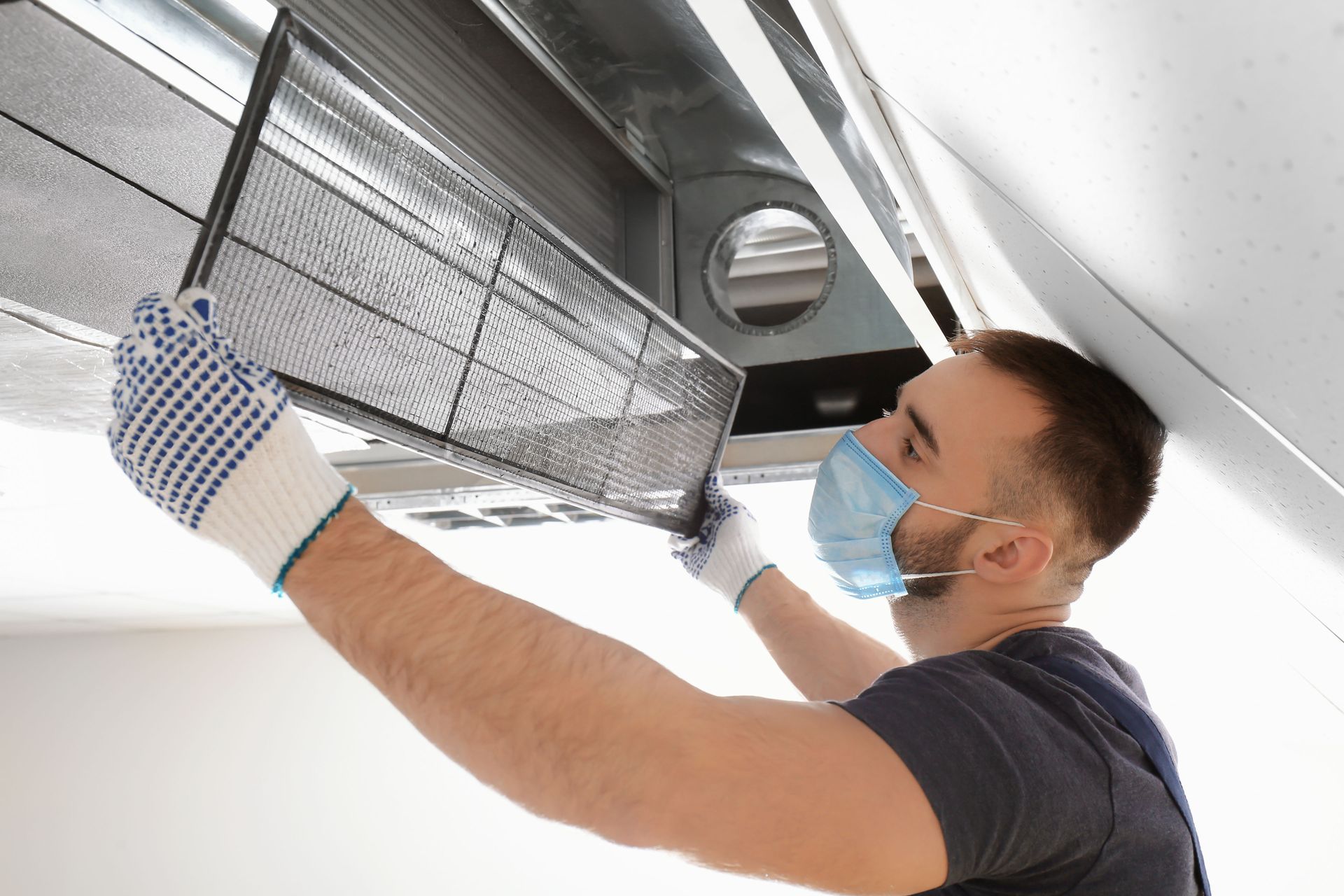
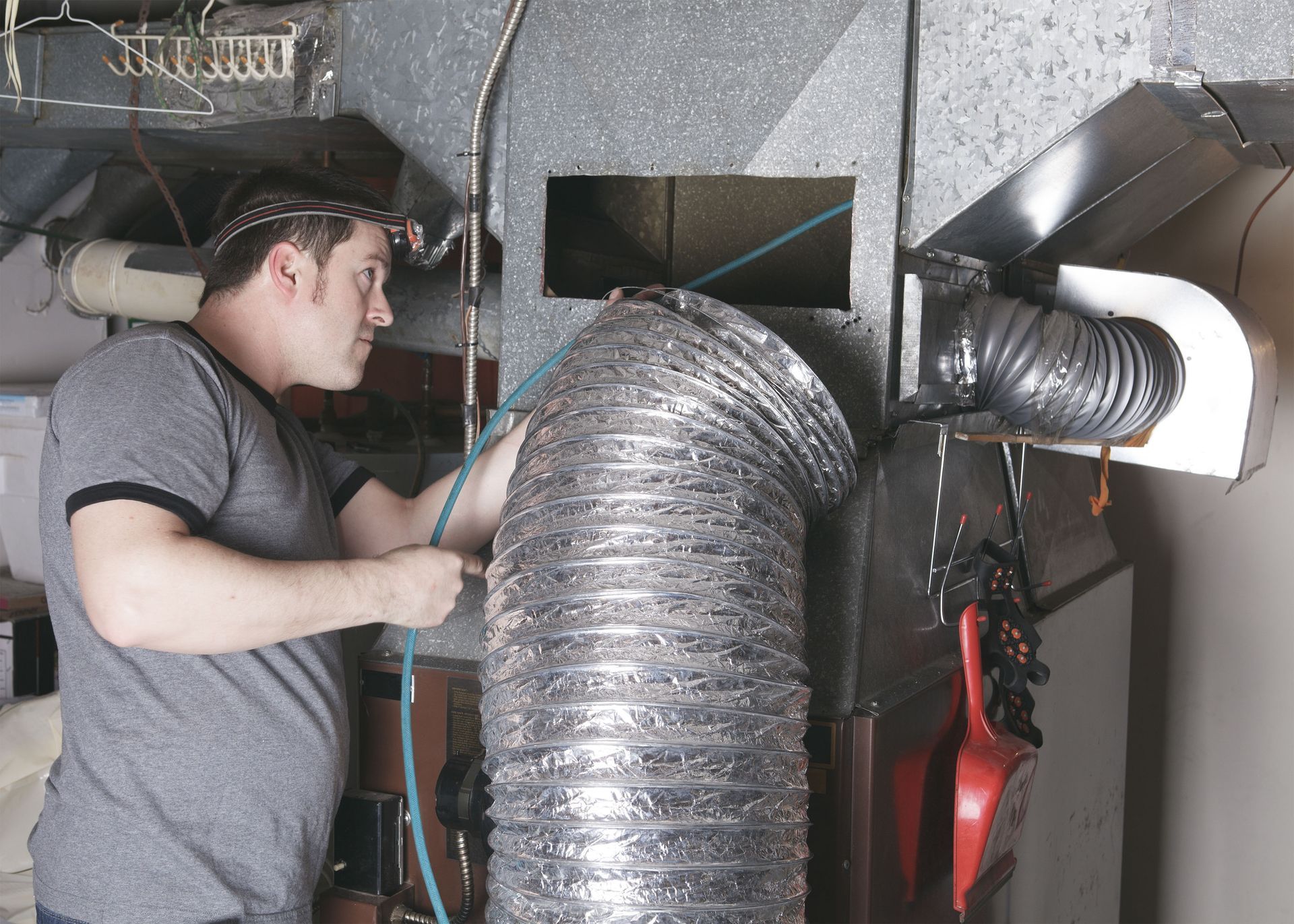
Professional duct cleaning typically begins with a system inspection to assess buildup and airflow conditions. Technicians then use high-powered vacuums and agitation tools to dislodge debris from duct walls. This process captures particles before they can re-enter living spaces, ensuring a more comprehensive cleaning outcome.
Understanding this process helps homeowners recognize the value of professional service. Transparency around cleaning methods, equipment, and expected results allows informed decision-making. Air duct cleaning performed correctly improves system performance while delivering noticeable indoor air improvements.
Maintain Clean Ducts Between Services
Maintaining clean ductwork between professional cleanings helps extend results and improve overall system performance. Regular HVAC maintenance, including timely filter changes, plays a central role in reducing debris accumulation. High-quality filters capture more particles before they enter ducts, supporting cleaner airflow.
Humidity control is another important maintenance strategy. Balanced indoor humidity discourages mold growth and limits dust adhesion within ductwork. Keeping vents and registers clean also prevents surface debris from entering the system. These combined efforts reduce the frequency needed for duct cleaning while maintaining indoor comfort.
Monitor Indoor Air Quality Proactively
Monitoring indoor air quality allows homeowners to make proactive maintenance decisions. Changes in airflow, odor, or comfort levels often appear gradually, making them easy to overlook. Paying attention to these indicators helps determine when duct cleaning may be beneficial.
Technology and routine observation together provide valuable insight into air conditions. When homeowners stay aware of changes in air quality, they can schedule duct cleaning at optimal times rather than waiting for problems to escalate. Proactive care supports long-term system health and indoor well-being.
Maintain Long-Term Comfort Through Informed Decisions
Consistent duct cleaning contributes to healthier living spaces, improved HVAC performance, and greater peace of mind. By recognizing the signs that indicate cleaning needs and understanding the factors that influence frequency, homeowners can make informed choices that support comfort and efficiency.
A balanced approach that combines professional duct cleaning, routine maintenance, and environmental awareness delivers lasting benefits. When homeowners take a proactive role in indoor air care, they protect both their investment and their quality of life.
Air duct cleaning remains an essential component of responsible home maintenance. With thoughtful scheduling and professional support, homeowners can enjoy cleaner air and more efficient HVAC performance year-round. If you’re ready to improve indoor air quality and maintain your system with confidence, contact us at Vortex Air Duct Cleaning. Let's take the next step together.