April 13, 2026
Air duct systems are a vital component of any heating, ventilation, and air conditioning (HVAC) setup, responsible for circulating air throughout a building and maintaining both comfort and air quality. Over time, dust, dirt, mold spores, pollen, and other debris can accumulate within these ducts, restricting airflow, reducing HVAC efficiency, and negatively impacting indoor air quality. For businesses, poorly maintained air ducts can mean higher energy costs, equipment strain, and potential health concerns for employees and customers alike. Regular inspection and professional cleaning not only restore optimal airflow but also prevent minor issues from escalating into costly repairs, ensuring a healthier, more efficient workplace.
Understanding Air Duct Cleaning
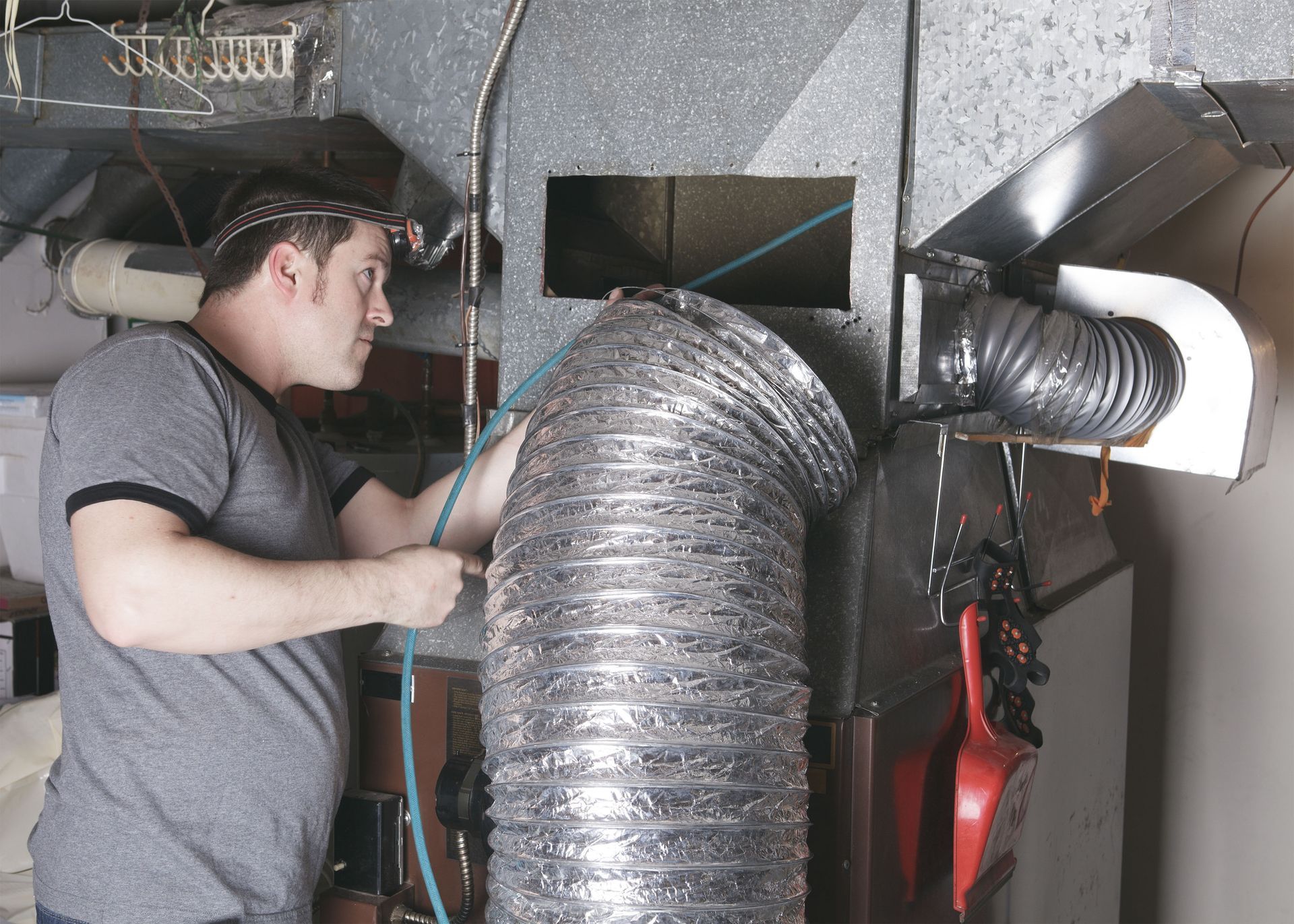
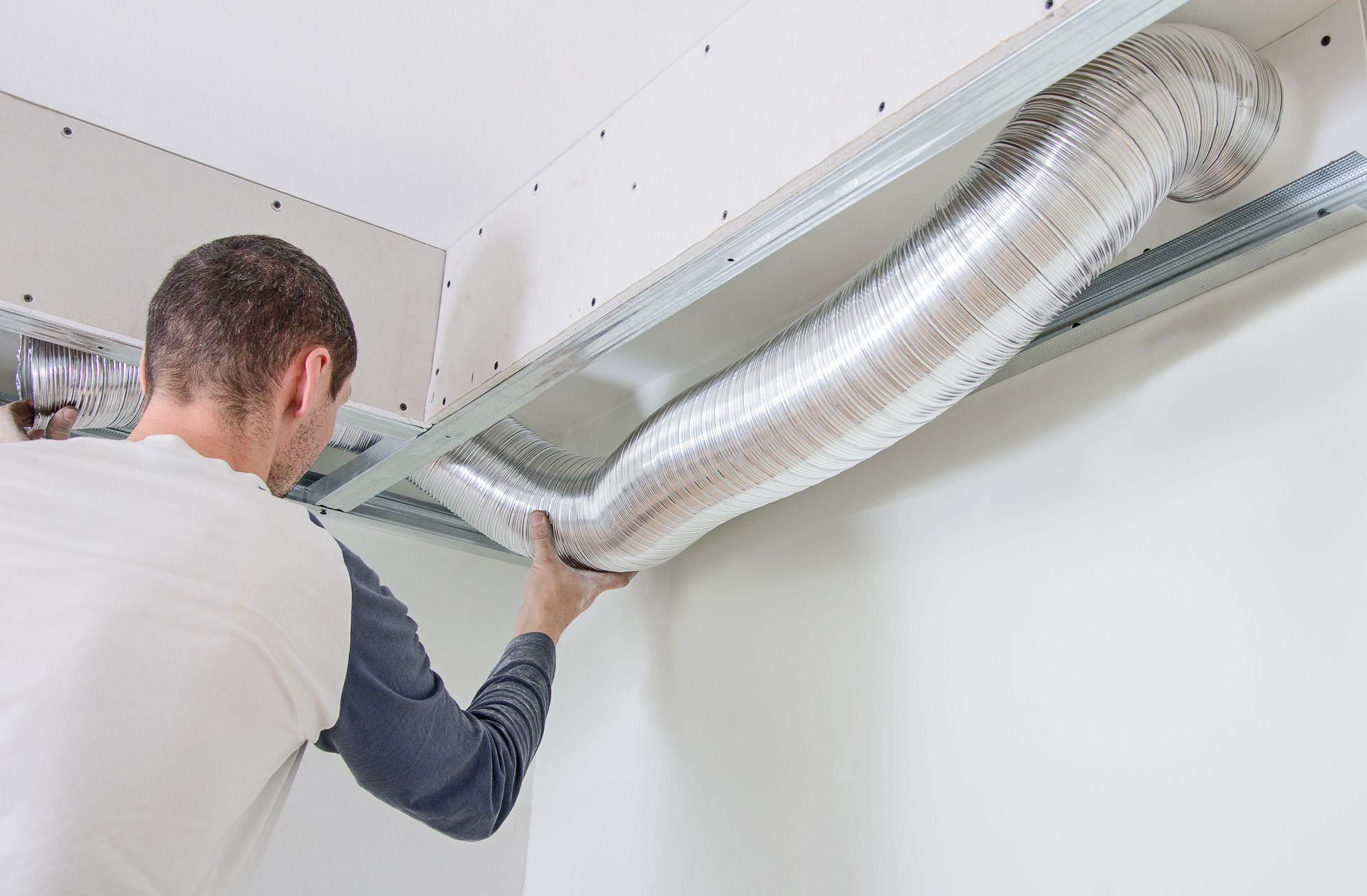
Air duct systems are critical components in heating, ventilation, and air conditioning (HVAC) systems. These systems consist of various ducts, which are essentially passages used for delivering and removing air. The primary function of these ducts is to circulate air from the HVAC equipment throughout a building. This circulation is essential for maintaining an indoor environment's temperature and air quality. Without properly functioning ducts, businesses could face inefficiencies in heating and cooling, which could translate into higher energy costs.
Regular inspection and maintenance of air ducts are necessary to ensure their efficient operation. Over time, ducts can become clogged with dust, dirt, and other debris, which can restrict airflow. This restriction not only causes HVAC systems to work harder but also diminishes indoor air quality. As a result, businesses should prioritize regular cleaning schedules for these systems. Furthermore, well-maintained air duct systems contribute to energy efficiency, potentially lowering utility bills.
The Purpose of Air Duct Cleaning
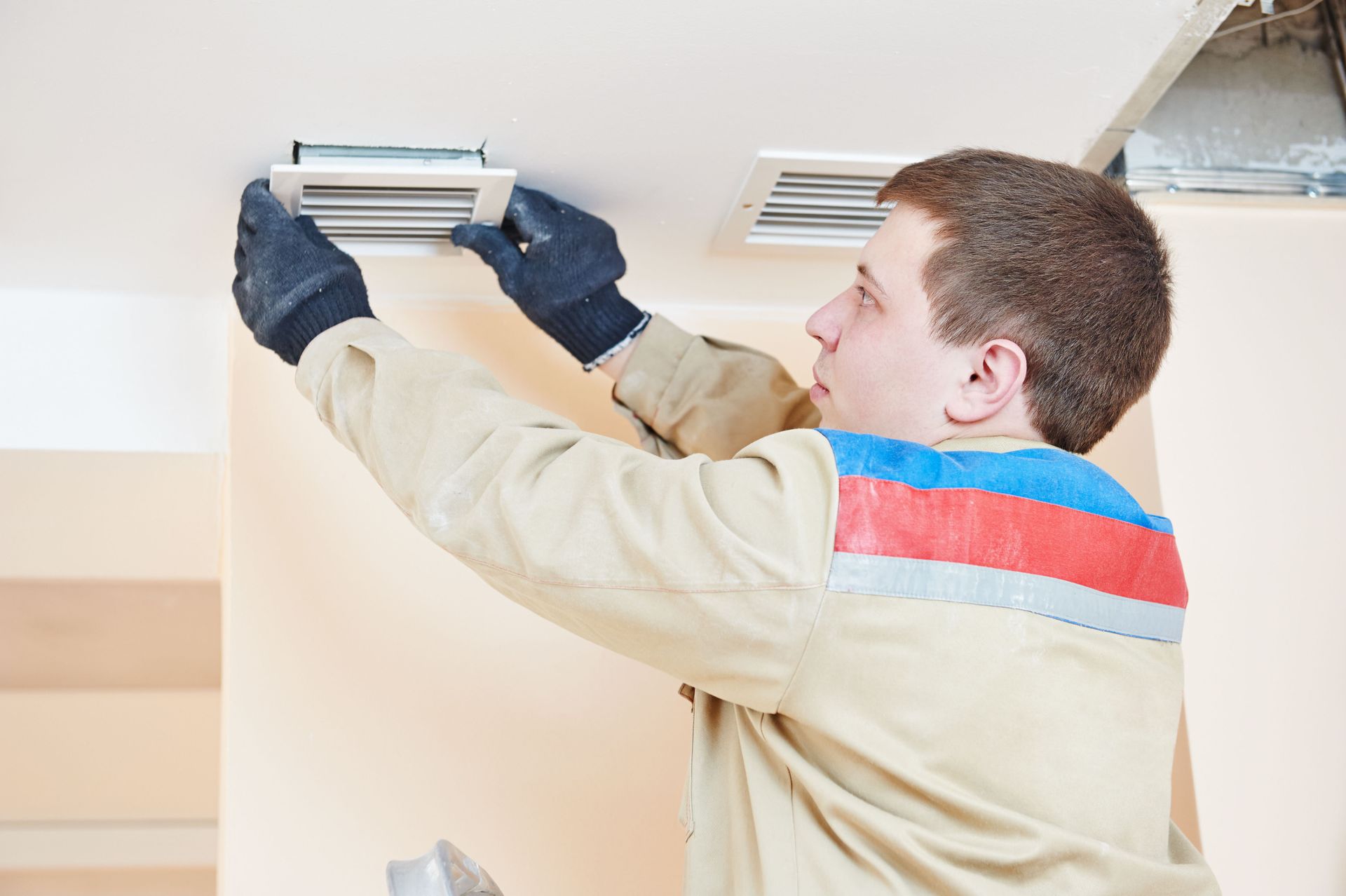
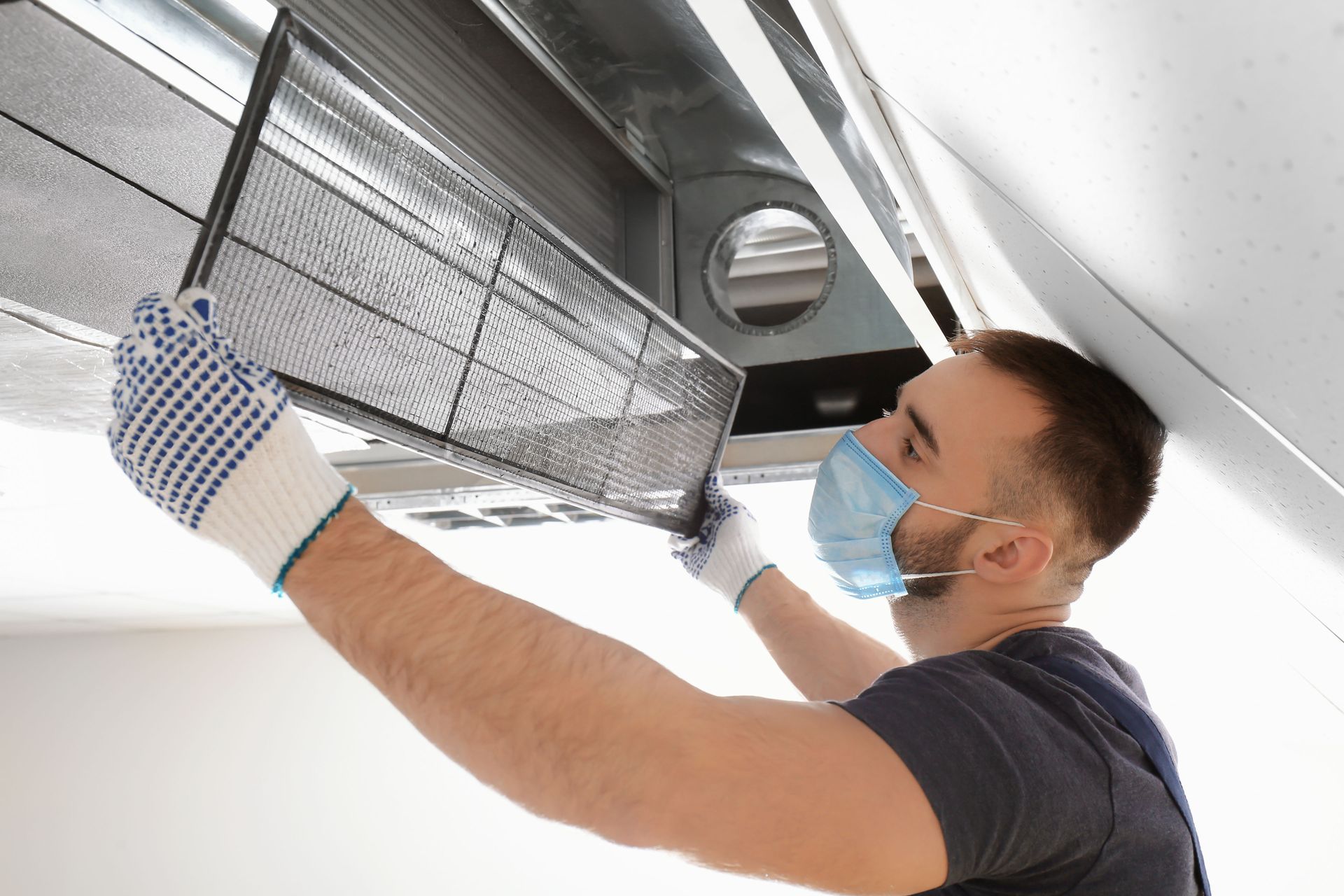
The primary purpose of air duct cleaning is to remove contaminants and debris that accumulate within the ducts. These pollutants can include dirt, dust, mold spores, and other allergens. Removing these contaminants can significantly improve indoor air quality, leading to healthier working environments. This hygiene level is particularly vital for businesses such as medical facilities, where indoor air quality is critical. Additionally, clean ducts help HVAC systems run more efficiently by allowing free airflow.
When ducts are cleaned regularly, air duct cleaning businesses can expect fewer system breakdowns and a longer lifespan for their HVAC units. Reduced strain on system components means that less energy is used to maintain desired temperatures, facilitating cost savings. Regular cleaning also plays a crucial role in eliminating odors caused by mold and other contaminants. Moreover, cleaner air ducts contribute to reduced exposure to airborne illnesses and allergens for employees and customers. These preventive measures help minimize absences due to illness, further benefiting business operations.
According to LinkedIn.com, the overall HVAC system market is projected to surge from US$281.7 billion in 2024 to $389.9 billion by 2029. This growth indicates an increasing recognition of the importance of HVAC maintenance, including air duct cleaning. As awareness increases, more air duct cleaning businesses are investing in routine cleaning to protect their companies' health and financial well-being. By ensuring their HVAC systems are well-maintained, businesses are positioning themselves ahead of the curve in workplace health standards. This foresight helps in maintaining not only compliance but also a robust, healthy work environment.
Common Contaminants in Air Ducts
Air ducts commonly accumulate a range of contaminants, including dust, dirt, pollen, and pet dander. These substances enter the ducts through various ways, such as open windows and doors, or through system intakes. If left unchecked, such debris can clog ducts and promote microbial growth, including mold and bacteria. This accumulation not only affects system efficiency but also poses health risks to individuals exposed to circulated air. Awareness of these potential hazards underscores the importance of regular cleaning routines.
Mold growth is a particularly concerning issue within air ducts, as it can release spores that circulate throughout the building. These spores pose health risks like allergic reactions and respiratory issues among occupants. In addition to mold, rodents and insects can also find their way into ductwork, leaving behind droppings or dead bodies that contribute to unpleasant odors and further contamination. By scheduling routine maintenance, air duct cleaning businesses can mitigate these potential risks effectively. Well-maintained air ducts mean cleaner, healthier air for everyone in the building.
Legal and Health Standards
Various legal and health standards dictate the necessity of air duct cleaning for business environments. For instance, occupational health regulations require workplace environments to be free from harmful contaminants that could affect employee health. Businesses in healthcare, food services, and other industries have stricter requirements, further emphasizing the need for clean air duct systems. Failure to comply with these standards can result in financial penalties and damage to a company's reputation.
Apart from legal ramifications, air duct cleaning businesses should also consider the health implications of poorly maintained air ducts. Indoor air pollution is known to cause or exacerbate health problems such as asthma, allergies, and respiratory infections. By complying with required standards, businesses not only avoid penalties but also protect the well-being of staff and customers. This responsibility aids in promoting a positive work environment that values employee health and safety. Ultimately, compliance with legal and health standards is both a regulatory necessity and a beneficial practice for business sustainability.
Given the projected growth in the HVAC market, adhering to these standards is crucial for future-proofing business operations. Ongoing maintenance and cleaning ensure that companies are prepared for any new regulations that may emerge as market conditions evolve. By taking proactive steps today, air duct cleaning businesses can adapt more quickly to any changes in the regulatory landscape. This foresight not only maintains compliance but also contributes to the ongoing success of the organization. Ultimately, understanding and adhering to these standards positions companies as leaders in workplace health initiatives.
Frequency of Required Cleaning
The frequency with which a business should schedule air duct cleaning varies depending on several factors. For example, businesses related to manufacturing or food processing may require more frequent cleaning due to higher levels of contaminants. On average, in our experience, professional guidelines recommend cleaning ducts at least every 3 to 5 years. However, businesses subject to stringent health regulations or those located in areas with high pollution may opt for more frequent intervals. Adopting a cleaning schedule tailored to specific business needs is vital for ensuring optimal air quality.
Regular inspections can determine the appropriate cleaning frequency for any given environment. During inspections, service providers can assess the cleanliness of ducts and air quality, identifying any potential issues before they escalate. Based on inspection findings, businesses can adjust their maintenance schedules accordingly. This preventive approach minimizes risks and offers peace of mind, knowing that air quality is consistently monitored and maintained. By implementing an effective inspection and cleaning program, air duct cleaning businesses can take proactive steps to optimize their indoor environments.
Maintaining clean and efficient air duct systems is crucial for both the health of building occupants and the performance of HVAC equipment. Regular inspections, professional cleaning, and adherence to legal and health standards prevent the buildup of harmful contaminants, reduce energy costs, and extend the lifespan of HVAC systems. By investing in routine air duct maintenance, air duct cleaning businesses create a safer, more productive environment while protecting their financial and operational interests.
Take control of your indoor air quality today—schedule a professional air duct inspection and cleaning from Vortex Air Duct Cleaning. Expert services can assess your system, remove contaminants, and establish a tailored maintenance schedule to keep your business running efficiently. Don’t wait for air quality or equipment performance to decline; act now to ensure a cleaner, healthier, and more reliable workplace.